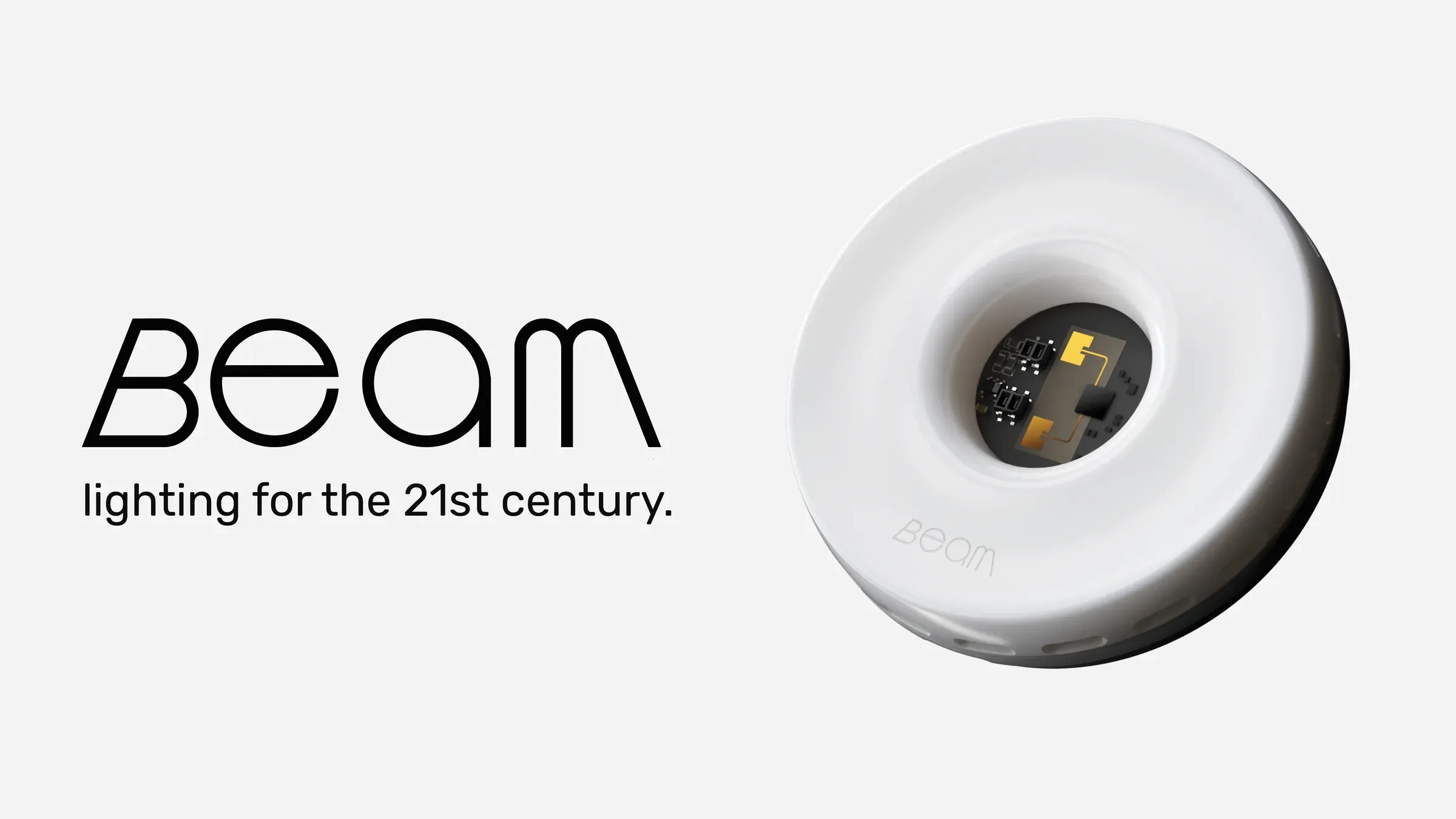
Beam
the problem
Lighting is tied to rooms, not people. Lighting should adapt the space for its occupants.
why existing solutions aren’t so great
- Brittle UX design
- Disposal due to frustration
- More hardware failure points
research
what’s the root need?
- Turn lights on from a distance
- Replace the bulb
- Dynamic brightness
design goals
- Simpler than light switches
- Adapt to user needs
- Reduces waste
prototyping
initial prototypes
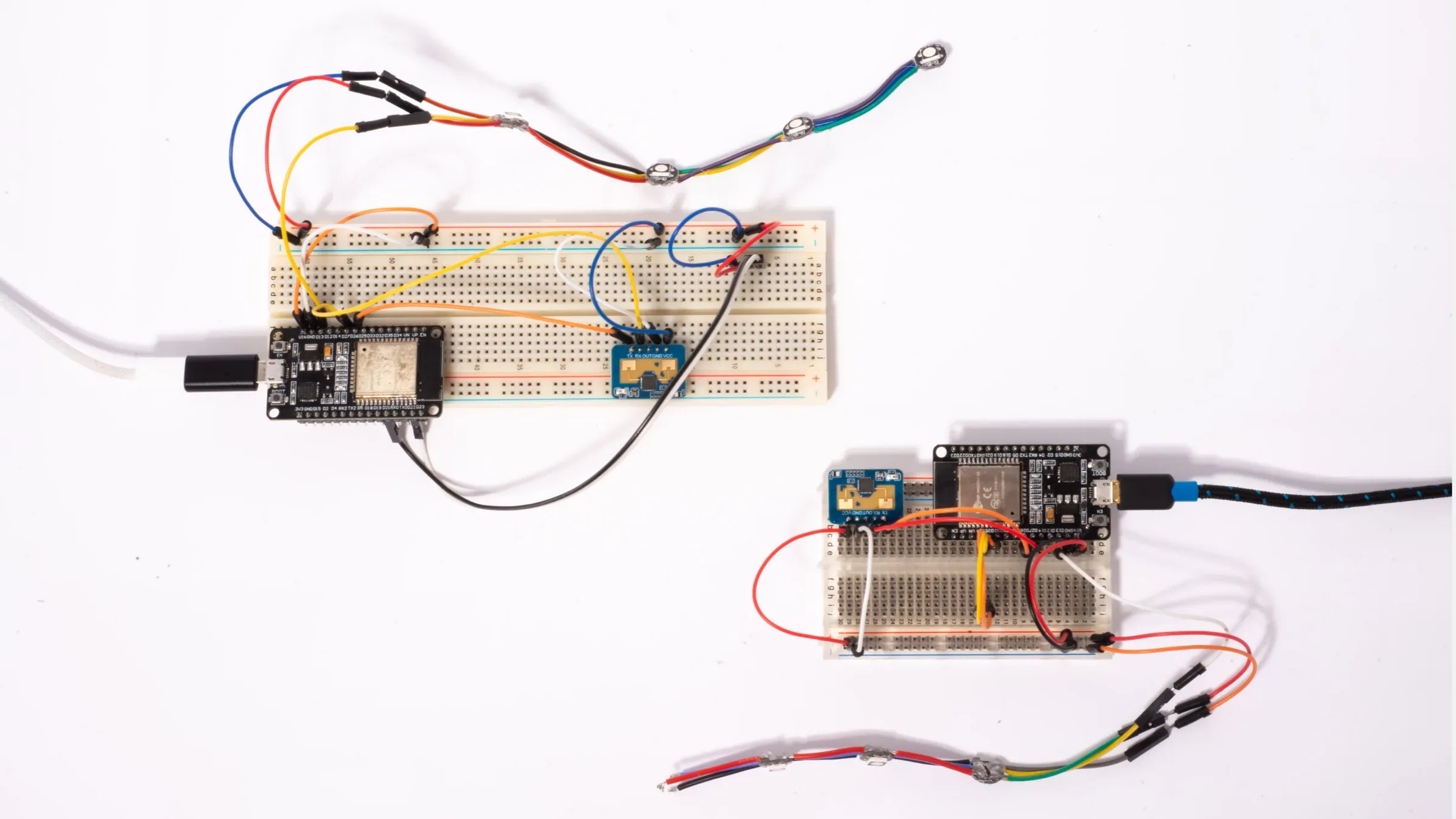
existing bulbs are bulky due to a legacy form factor.
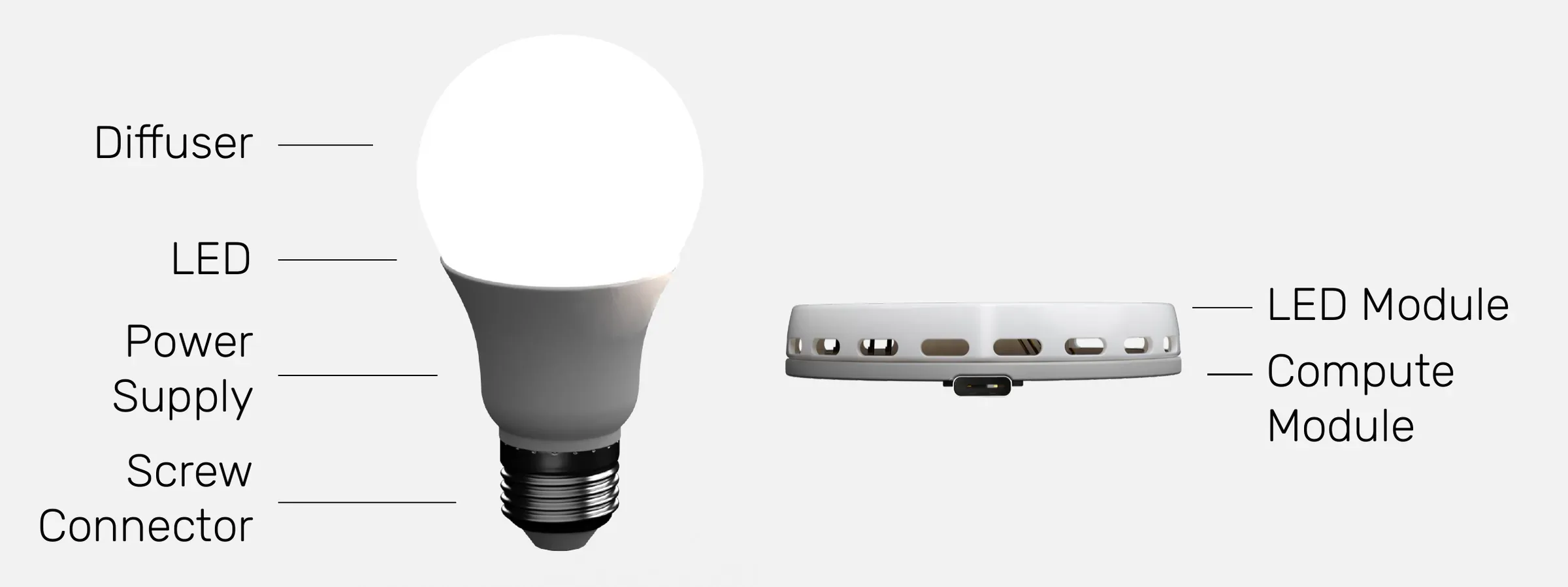
fixtures
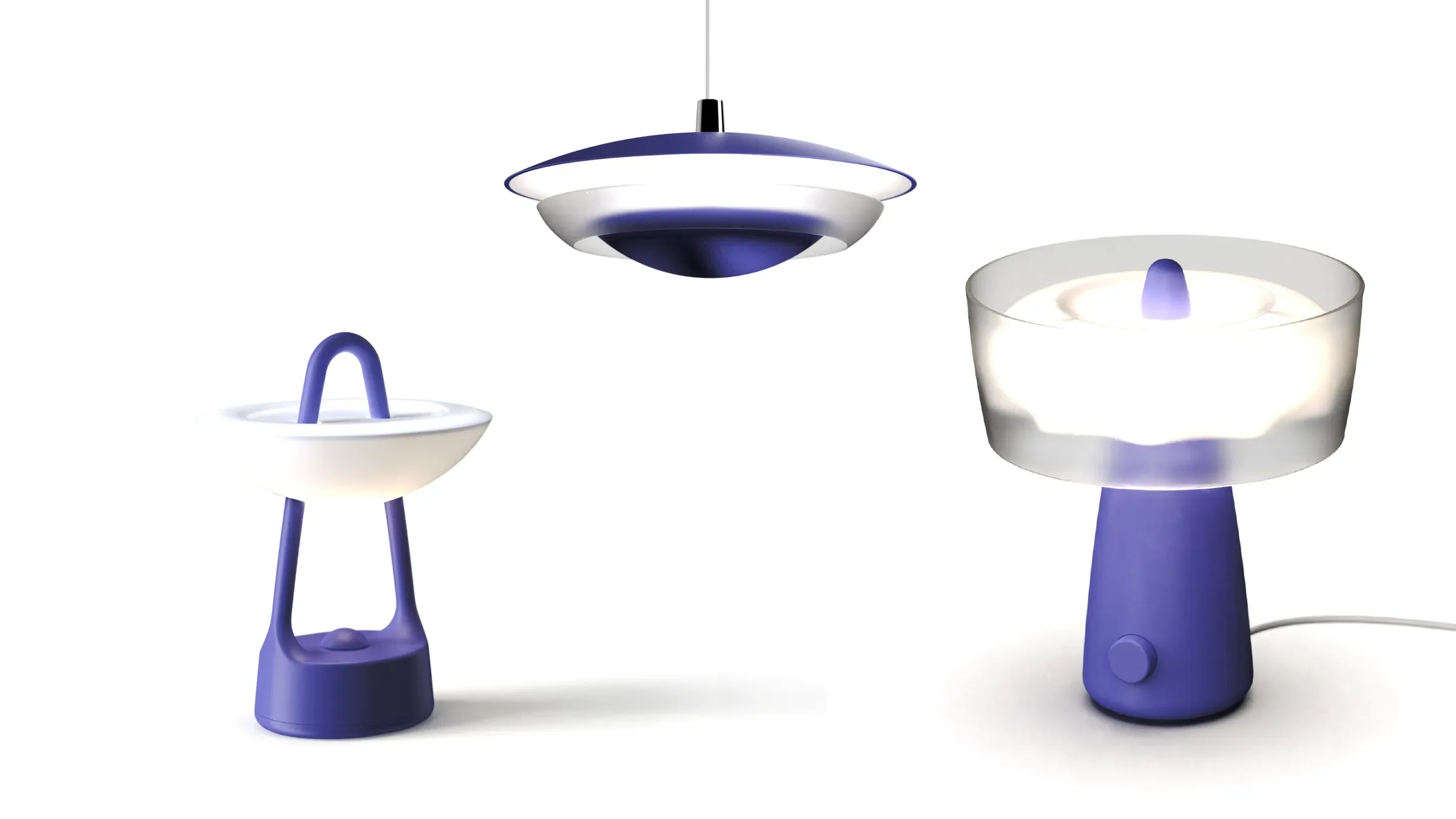
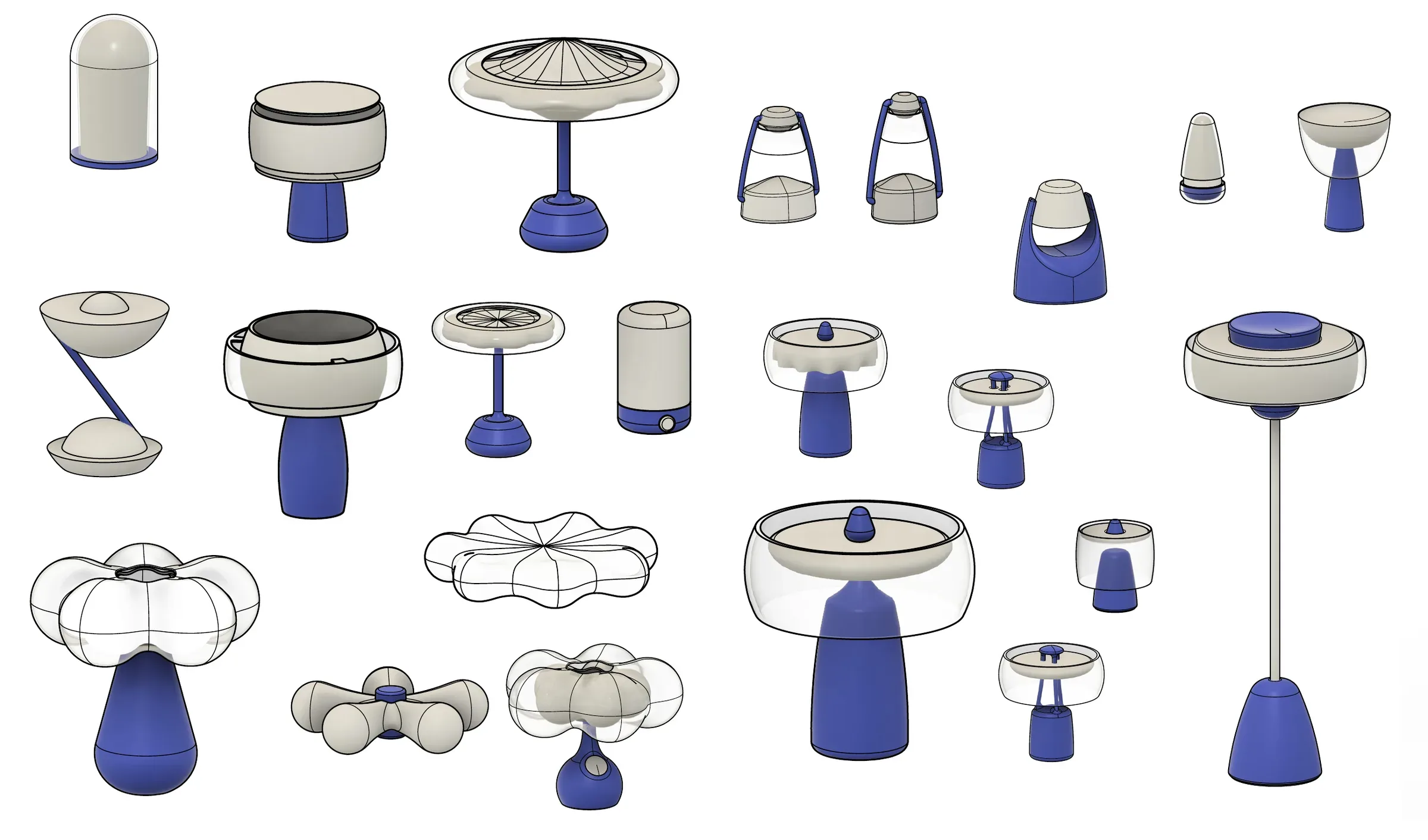
designed for beam fixtures
- Emphasize technology
- Built to last
- Cohesive family
sketching

form exploration
final product
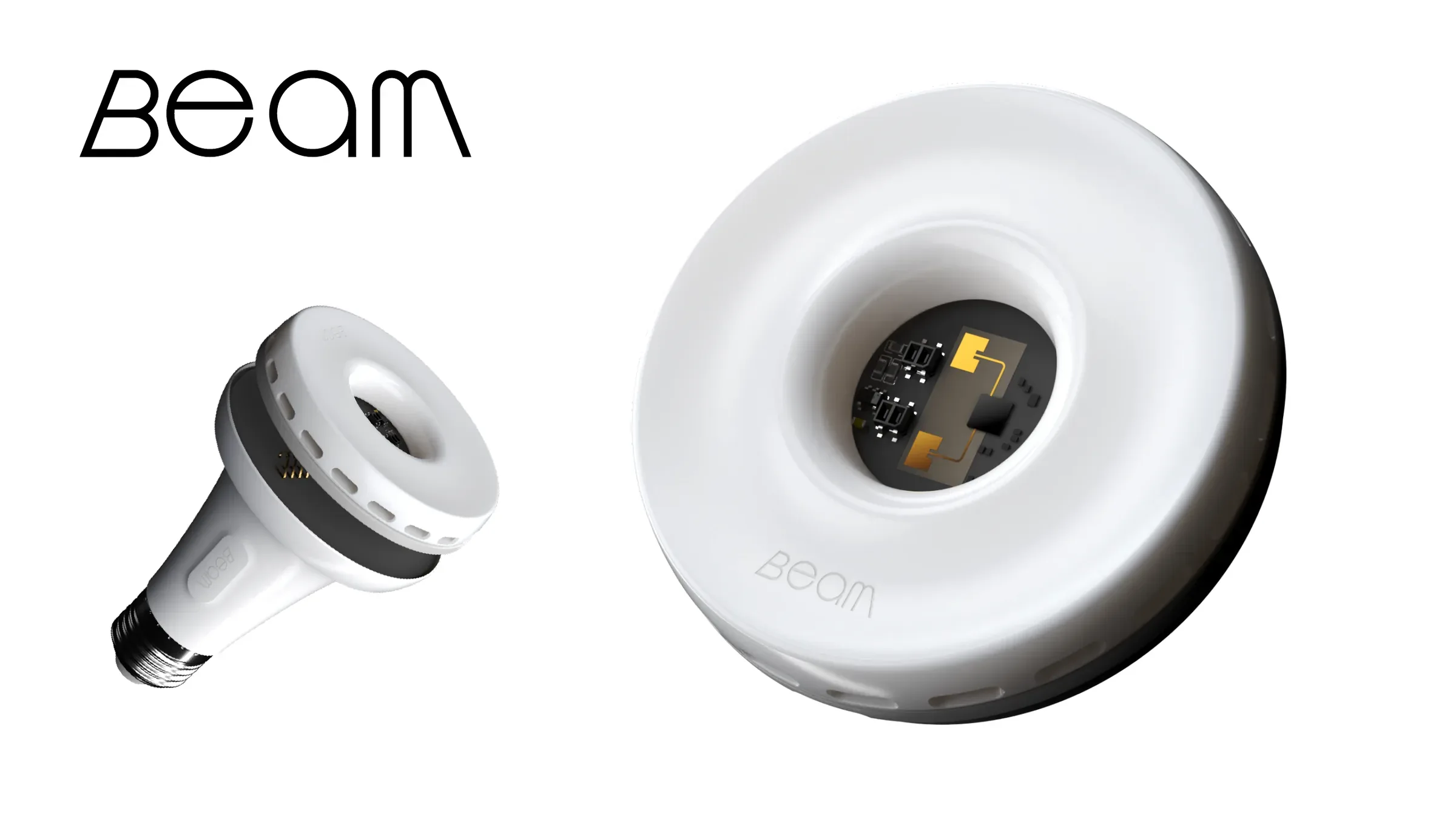
intelligent lighting.
senses who’s in the room.
adapts through the day.
-
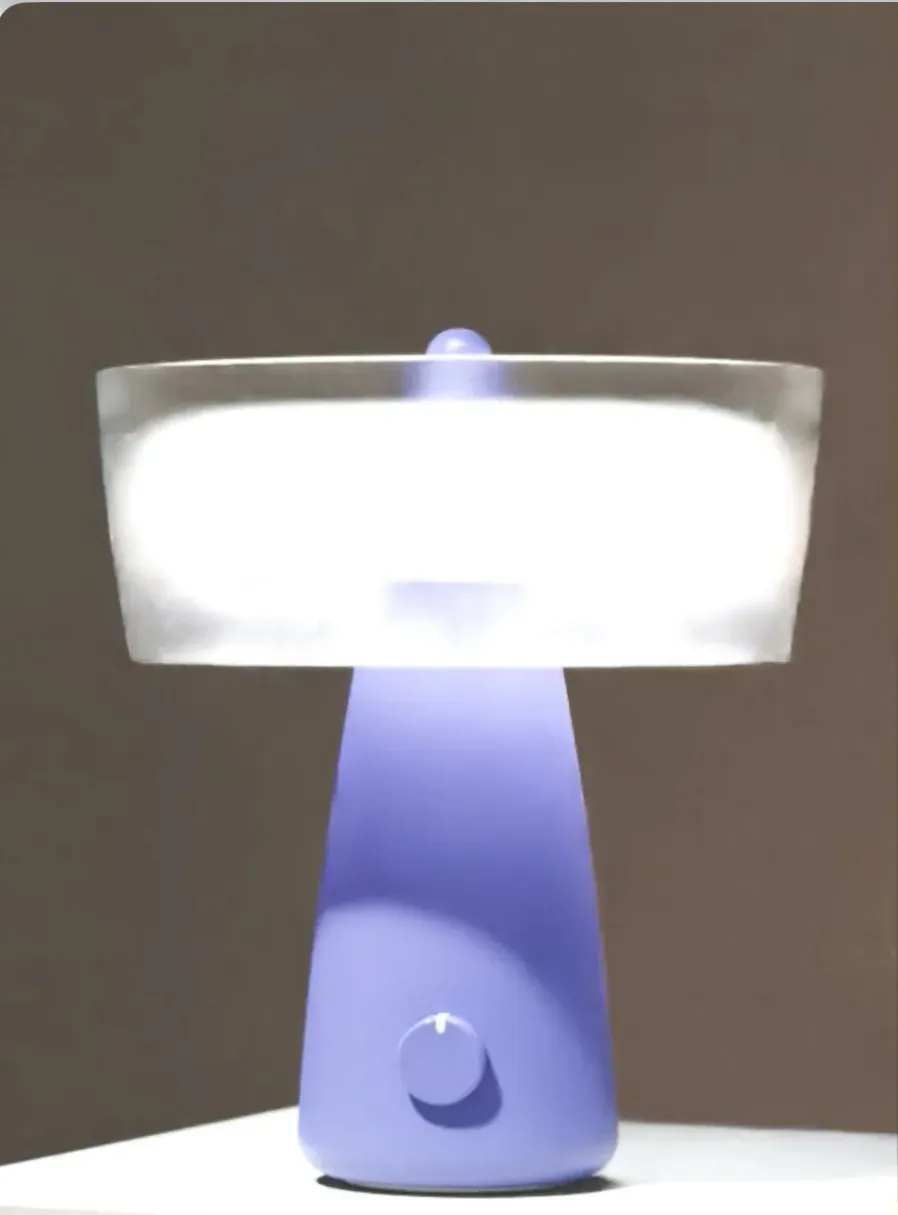 daytime 90% at 5000K
-
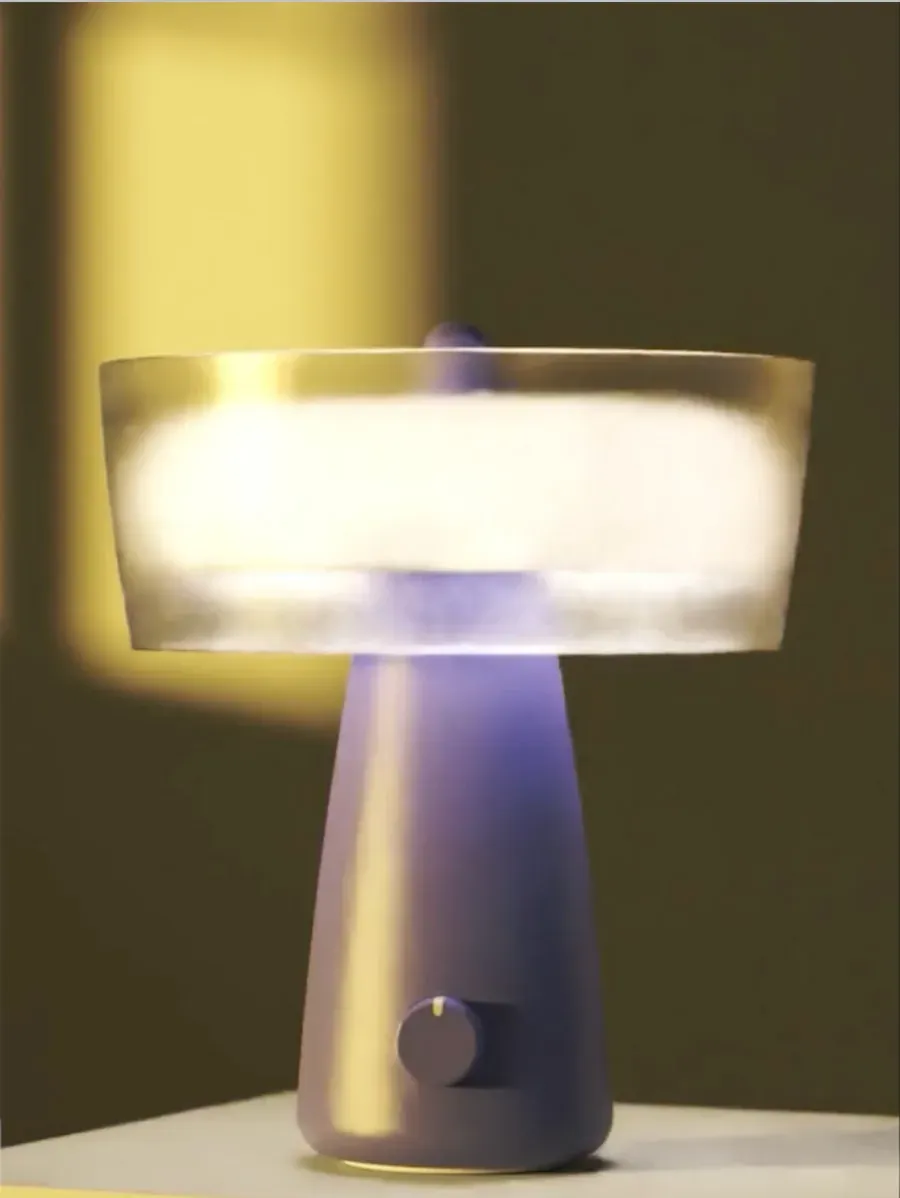 evening 50% at 3000K
-
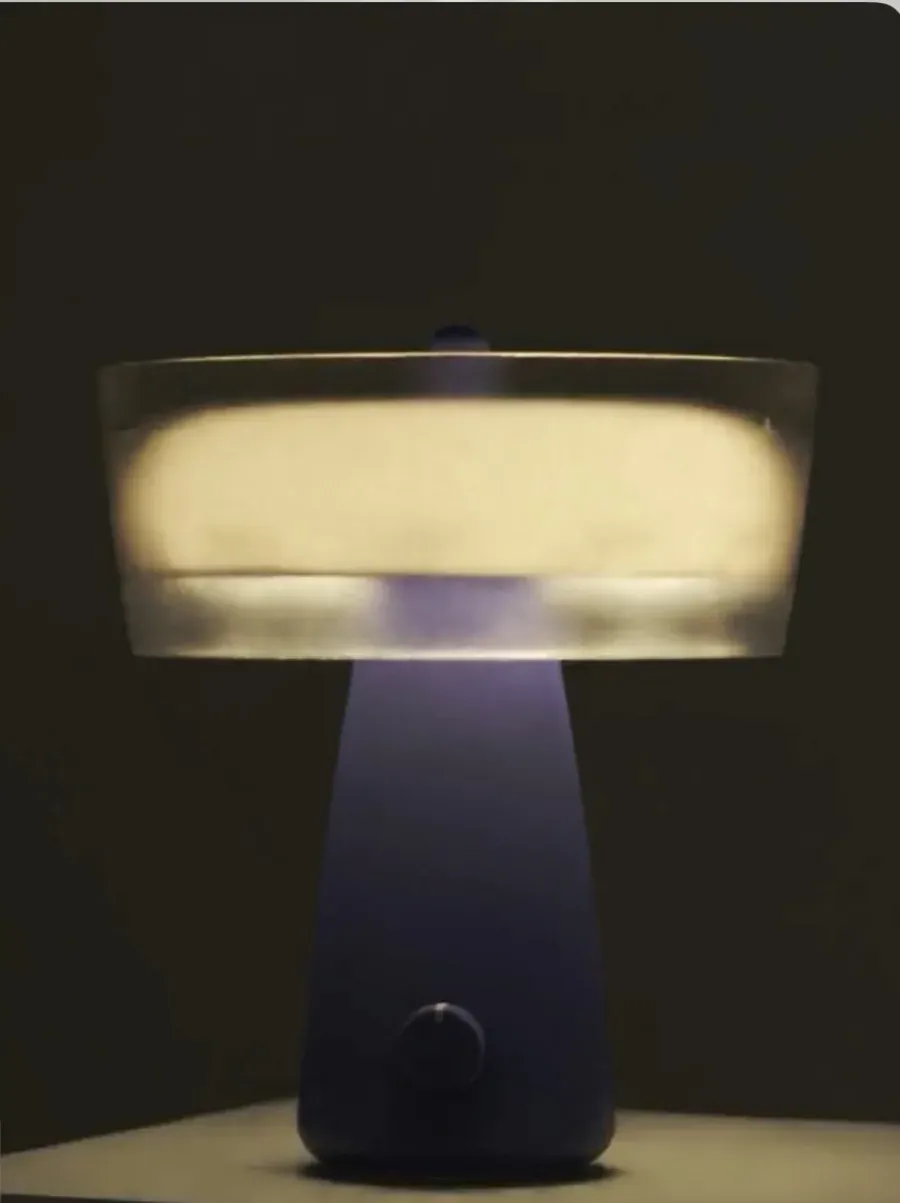 night 5% at 2000K
no internet, no setup.
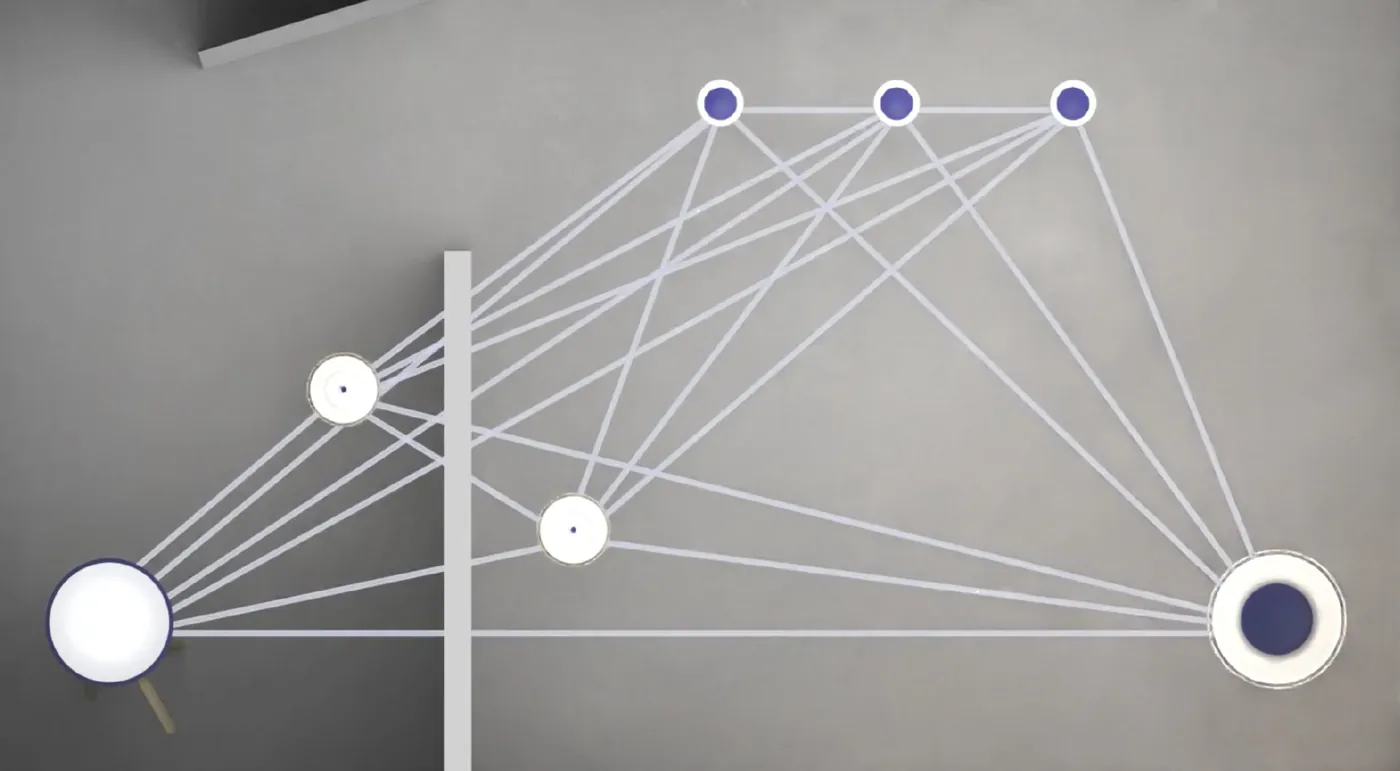
Beam figures out your spaces for you.
intuitive adjustment.
Spinning the knob adjusts all the lights in the room.
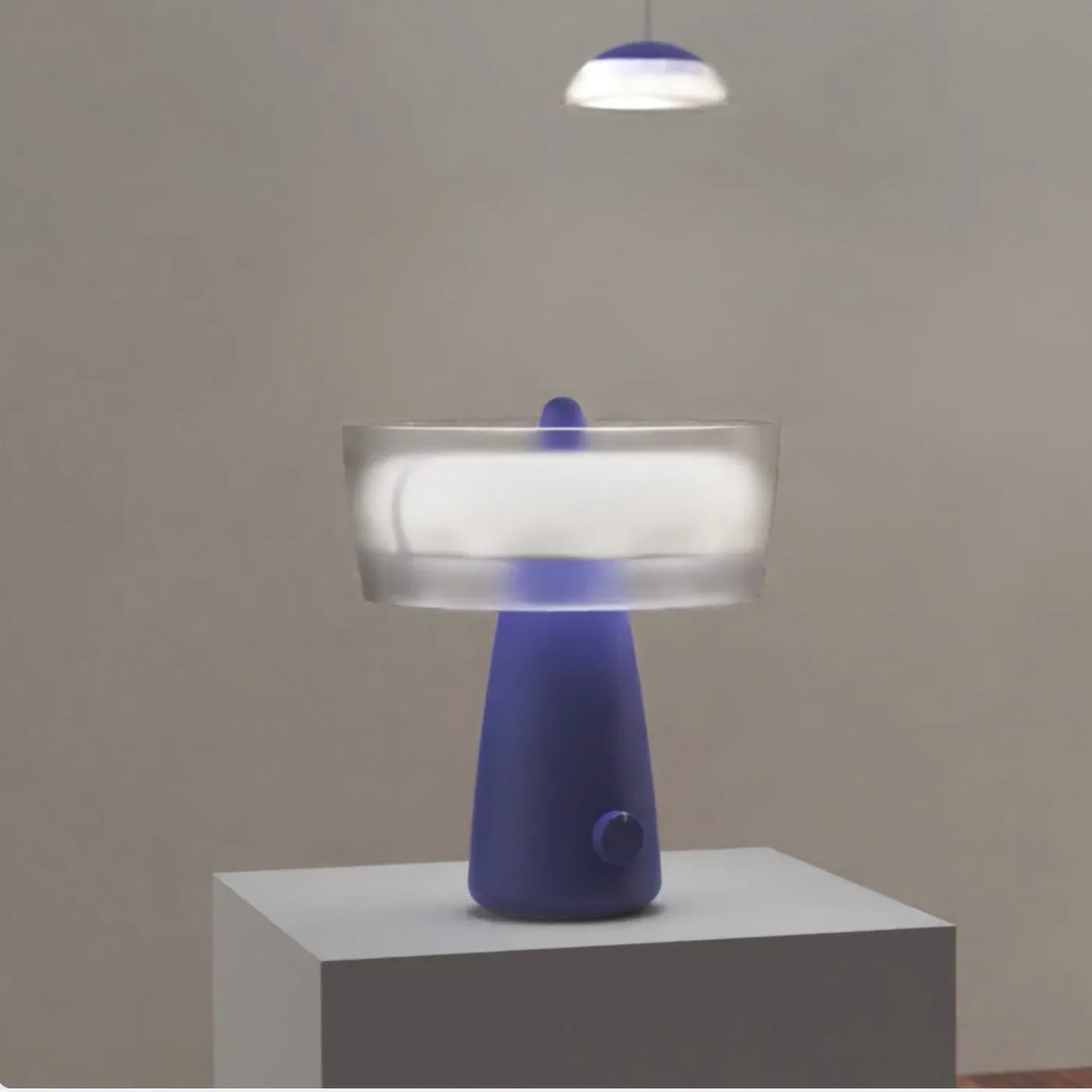
the aqua family
clean, organic, translucent.